HOW TO DO MODERN CALLIGRAPHY –
So, what is modern calligraphy and how does it differ from traditional calligraphic scripts?
To be honest, it’s quite hard to give you an exact definition of what modern calligraphy actually is (there are just so many different styles, techniques etc.), however, in order to make a clear distinction here is a quick definition –
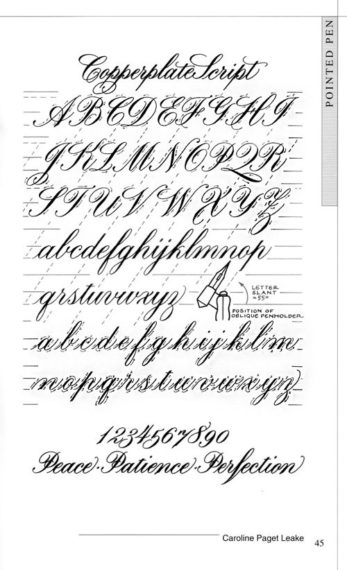



The first time I took a calligraphy course was about a year ago, and the decision was quite hard. I was sure that it would be painstaking and that I would need excellent handwriting to learn this art. How mistaken I was!
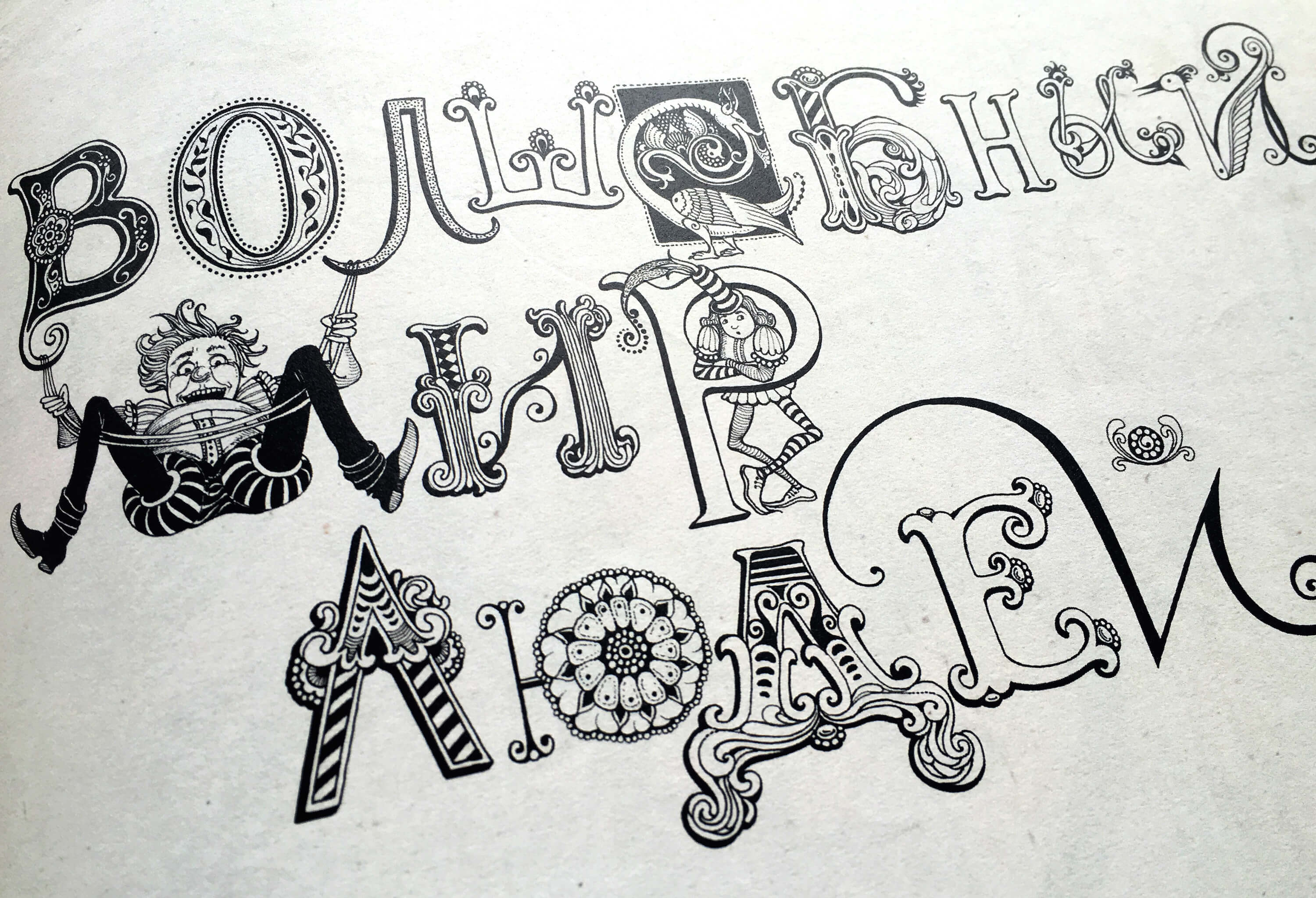
Typefaces are always telling us something. We receive information through typography. Type influences us, adds coloring to words, sets a mood and atmosphere, assists, teaches, scares us, brings us joy and inspires us.
Typography is, foremost, an information medium. At the same time, it fulfils social functions and acts as an indicator of the age it belongs to. The contemporary world has its own rhythm, aesthetic and philosophy; while we are changing, everything is changing around us. In studying historical lettering in calligraphy, we can understand the character and potential of a writing instrument, and, as a result, we can manage its expressive means.
My Introduction To Calligraphy
When I joined the calligraphy course, I heard students talking amongst themselves: “I’ll never manage to do it this way!” “I can’t write in such a beautiful way!”
To tell the truth, I felt the same way. But that was nonsense! And I say that as a master of Photoshop who couldn’t handwrite plain lines only a year ago.
Our first lesson was to write simple strokes, the basis of all letters, with a flat paintbrush.


Tip: A lot of useful resources and online courses are on the Internet. However, I recommend starting by learning from professionals (in workshops, at calligraphy schools). A professional will help you to develop proper technique, answer your questions and prompt you in the nuances of the craft. Even something as seemingly simple as one’s posture and pen-holding technique will substantially influence the result.
Studying in a course had a positive outcome. Writing with different instruments and trying different techniques, I could figure out which instrument suits me best.

I learned the history of calligraphy, I learned how to customize my workplace, and I learned how to choose an instrument. I practiced Cyrillic ornamental script, textura quadrata, italic, English roundhand, modern calligraphy, brush pen lettering and chalk lettering. I also learned how to make my own calligraphy instruments.

Tip: I recommend devoting your initial lessons to writing with a flat paintbrush. Get accustomed to the instrument, and study the “skeleton” of letters (graphemes). Soon after that, practice Cyrillic ornamental script, textura quadrata and italic.

Write the alphabet, then start with words and continue on to sentences. Next, you could proceed to study the pointed nib and the typefaces that rely on it: English roundhand, modern calligraphy script, flourishing, Spencerian and other Copperplate styles.

Each lesson was a meditation. Soon after a lesson, I felt relaxed, energetic and inspired. And I got a good result on paper! The craft is a remedy and exercise for the mind and soul.

My Own Project: “Hello From…”
Having fallen in love with calligraphy, I came to prefer a sketchbook to a camera while on vacation. At a conference in St. Petersburg this spring, I got inspired by various graphic designers’ presentations and by the talk by renowned calligrapher Pokras Lampas. I wanted to put everything aside and write something. In such an inspired state, I signed a card to say hello to my friends from that wonderful city. Thus, a simple card began my project “Hello From.” The idea was to show the essence of a place through lettering; I would take a photo of the card with the city in the background.

Benefits: What Is The Use Of Calligraphy Lessons?
- New skill Calligraphy would be a great addition to any designer’s skill set. Postcards, posters, invitation cards, website banners, prints for t-shirts and many other design products would look more authentic and interesting in calligraphy and lettering.

(View large version) - Pleasure You will derive great pleasure from working with your hands.
- Patience Calligraphy is meditative. Diving into the world of letters and waltzing through the soft lines will make you more calm and serene.
- Age not a factor Banish the thought that you can’t start learning because of your age. At any age, learning has a positive effect on the brain and expands one’s worldview. It is also good to teach children calligraphy, which will improve their brain activity and develop their fine motor skills.
- Quick progress Your very first letter might be clunky, but I am sure that by the end of the first line it will get better. And I assure you that by the end of the first or second sheet of paper, the improvement will be noticeable!

- A sketchbook, not a camera, for vacation I guarantee that you will see quick and steady progress and that you will want to take your sketchbook and pens with you wherever you go, to be able to write whenever you get inspired.
- Attention to surroundings You will become observant. You will find inspiration for new work everywhere, from building faces on the street to old books on the shelf.
- Selfmade postcards You will be able to easily decorate postcards, giftwrapping, invitation cards and holiday cards for family and friends. It is always heartwarming getting a postcard made with love and attention to detail.

- Unique corporate identity More and more companies are using calligraphy and lettering in their trademark style. It lends uniqueness and instills trust in the customer.
- Manual dexterity The skill has an influence on one’s thinking, memory, imagination, powers of observation, coordination and agility.
- Inexpensive Most of the tools can be found at an affordable price. And craft paper can be done with the help of coffee, paint, etc.
- Monetization Nowadays, calligraphy is especially popular for wedding invitations, holiday cards, logos and many other design elements.
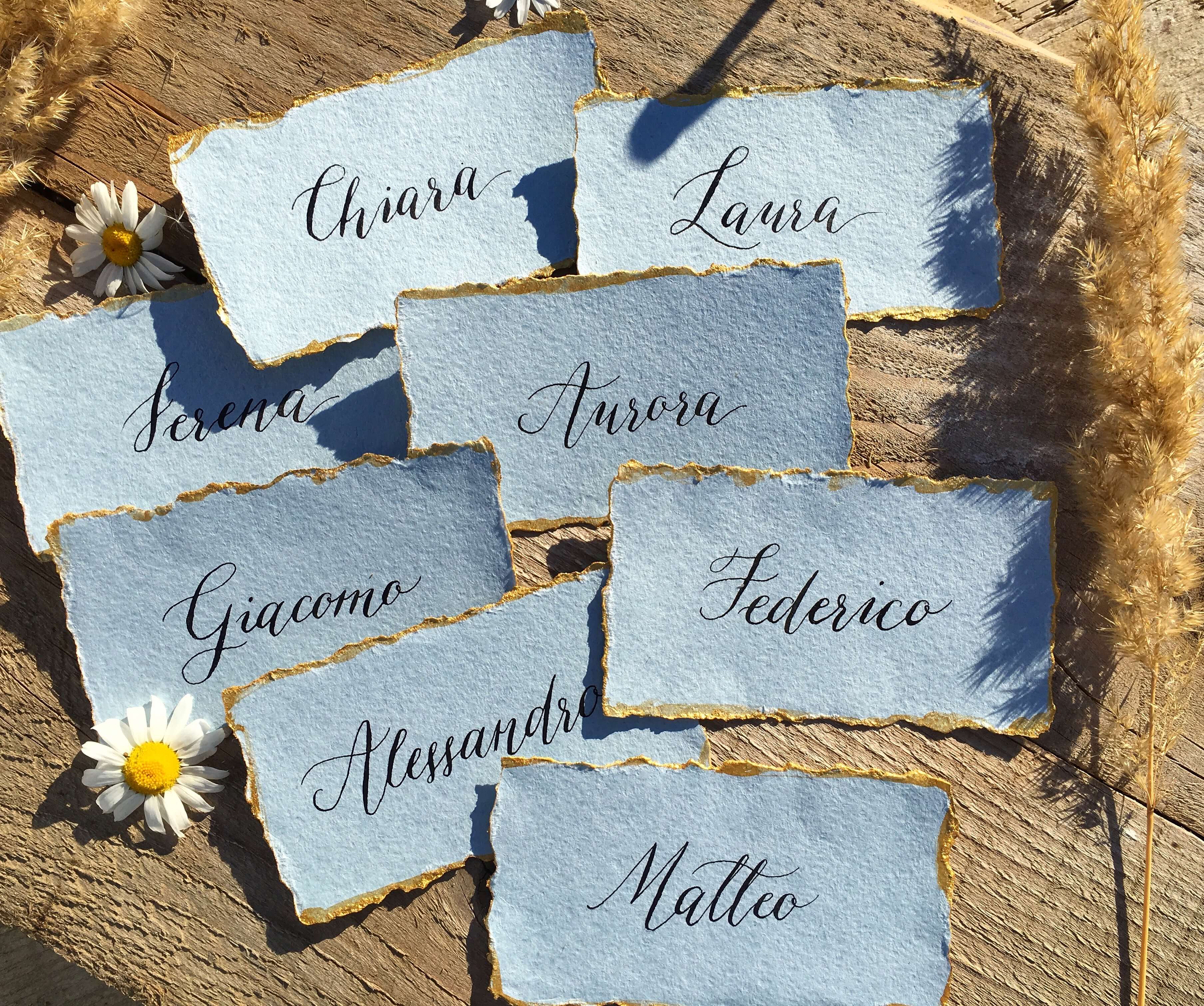


Possible Challenges
- Damage of tools. Without sufficient knowledge, one might find it difficult to write with a nib. This could lead to tool damage, catching paper with the nib and, as a result, torn paper. A beginner might even give up because of such bad results.
- Silence helps. Some people (though not everybody) might have a problem working when a lot of people are distracting their attention. I recommend training in silence, relaxed and concentrated.
- Bad mood = bad result. You will not be able to draw soft, delicate lines in a state of anger. If you are in a bad mood, put the work aside.
As in sports and music, in calligraphy it is important to train every day, to be patient and to feel inspired.
Achieving Good Results
Here are some tips based on my experience:
- Learn every day. Attend master classes and courses, study online, and participate in competitions.
- Practice, practice, practice. If you train every day, you won’t have to wait long for progress. Focus on sharpening your skill, don’t be afraid to experiment, and devote time to writing regularly.

- Practice by copying. Choose projects you like and copy them to understand how the composition and contrast work.
- Warm up. Start with some warmup exercises before getting down to work. Clench and release your fingers, rub and move your hands in circles to warm them up. While writing, do eye exercises from time to time.
- Start with basic strokes. Once you master this skill, it will be easier to move to letters and words.

- Collect different styles of handwritings. You can find these in postcards and old letters. Analyze them. These will help you to come up with new and interesting combinations of typefaces.
- Try new things. Write with different tools and on different kinds of paper. Conventional designs are only one benefit! I write on wallpapers, bookshelf stands and old notebooks. It’s enough to begin writing with ordinary tools everybody has at home (pencils, brushes, markers). If none are at your disposal, then you can get creative and even try writing with a carrot, for example.
- Take care of your tools. Wash and wipe dry your tools after each exercise. When I was a beginner, I rusted and damaged several nibs irrevocably because of untimely cleaning.
- Show your work to professionals. An objective review will help you to find and correct mistakes. Don’t be offended by criticism; treat it as a compliment.
- Don’t worry about other people’s opinion. Don’t give up, even if your progress is not as fast as you would like. Good results will come.
- Mind your sitting posture. This rule is key to beautiful handwriting. If you follow it, you will be able to work at the table for a long time without discomfort or hand pain.
- Collect references. A box of ideas is very helpful. When I’m not feeling inspired and need a creative punch, I close my eyes and take out two magazine cuttings; I’ll analyze them and try to combine their styles and play around with them.


Sources Of Inspiration
It is hard to create something without experience. Therefore, I recommend collecting ideas. However, at the beginning, after looking through hundreds of beautiful pictures, I sometimes lose confidence and think, “I can’t do that!” Calm down. Before you panic, do the following:
- Look around. Perhaps you are sitting in a comfortable armchair near a bookcase. You might find diverse typefaces and cover designs in those books.

- Open the cabinet. If you have a box of old postcards and magazines, look through them. Cut out worthwhile elements and put them in an ideas box (your personal, offline Pinterest).
- Wander the city with a camera. You will find a lot of bars and cafes with interesting logo designs, window designs and branding. These visuals will give you ideas for interesting compositions.
- Hit the market. Buy a couple of cheap vintage books and postcards from your local book market. Analyze the typefaces, text designs and color schemes.
- Go on a field trip. Nothing inspires me more than a new city, exploring its architecture, wayfinding marks, sign plates on houses, bookstores and markets. So cute! (Yes, I am hard to travel with. I often make stops to take photos.)

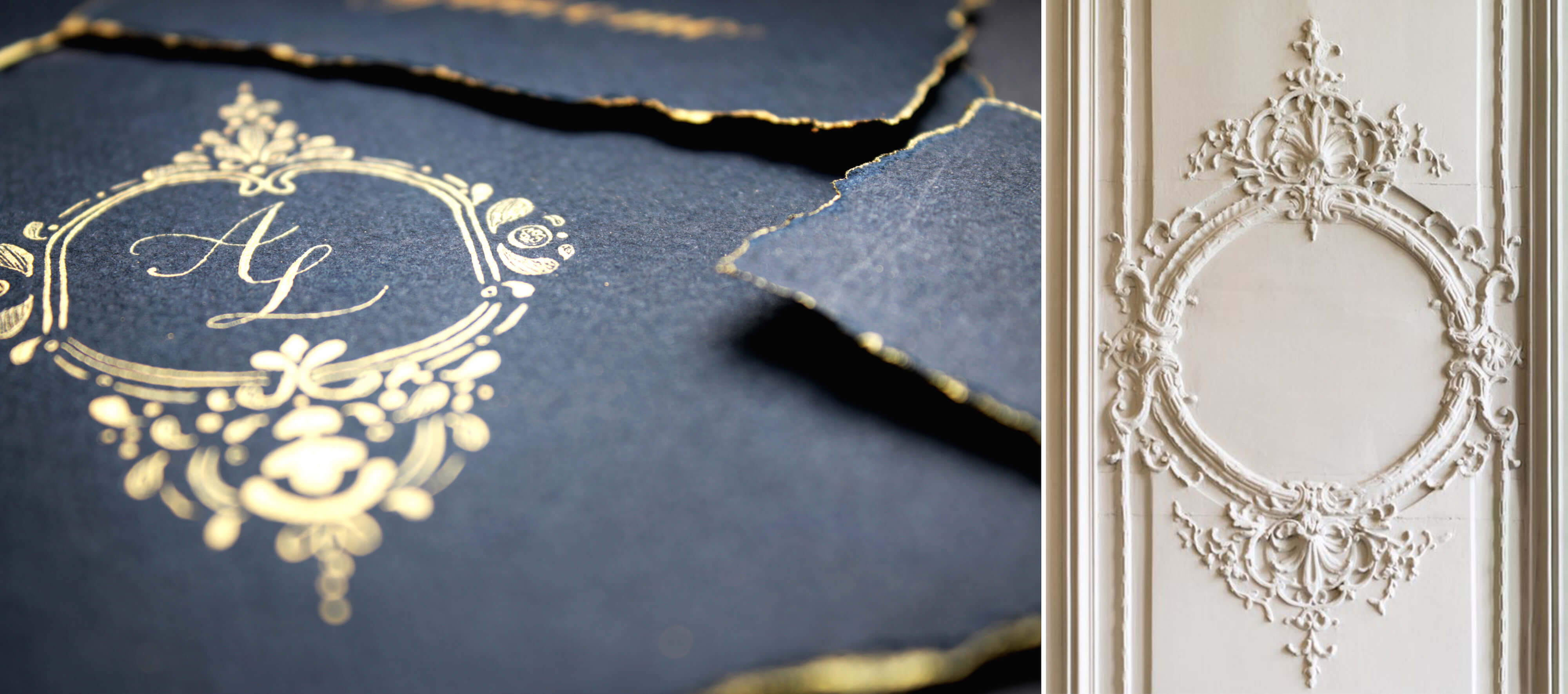
- Photograph building faces. The diverse ornaments you’ll find will give you plenty of ideas for exquisite and vintage logos.

- Meet new people and share your experience. Together, you can create new projects and get valuable feedback. Showing your work to others will enable you to find and correct mistakes more quickly. Collaborate with photographers and other creative people.
- Follow trends. Analyze what is in fashion now and what will be in fashion for the next couple of years. Constantly move forward.
- Check in on Instagram, Pinterest or Google. Here, you will find plenty of beautiful design work. However, be cautious, and don’t be overwhelmed. The less you look at readymade solutions on the Internet, the better. You want to give yourself the chance to create something completely unique.

Interested In Calligraphy Yet?
Then let’s start! Let’s look at the tools you will need for the first lesson.
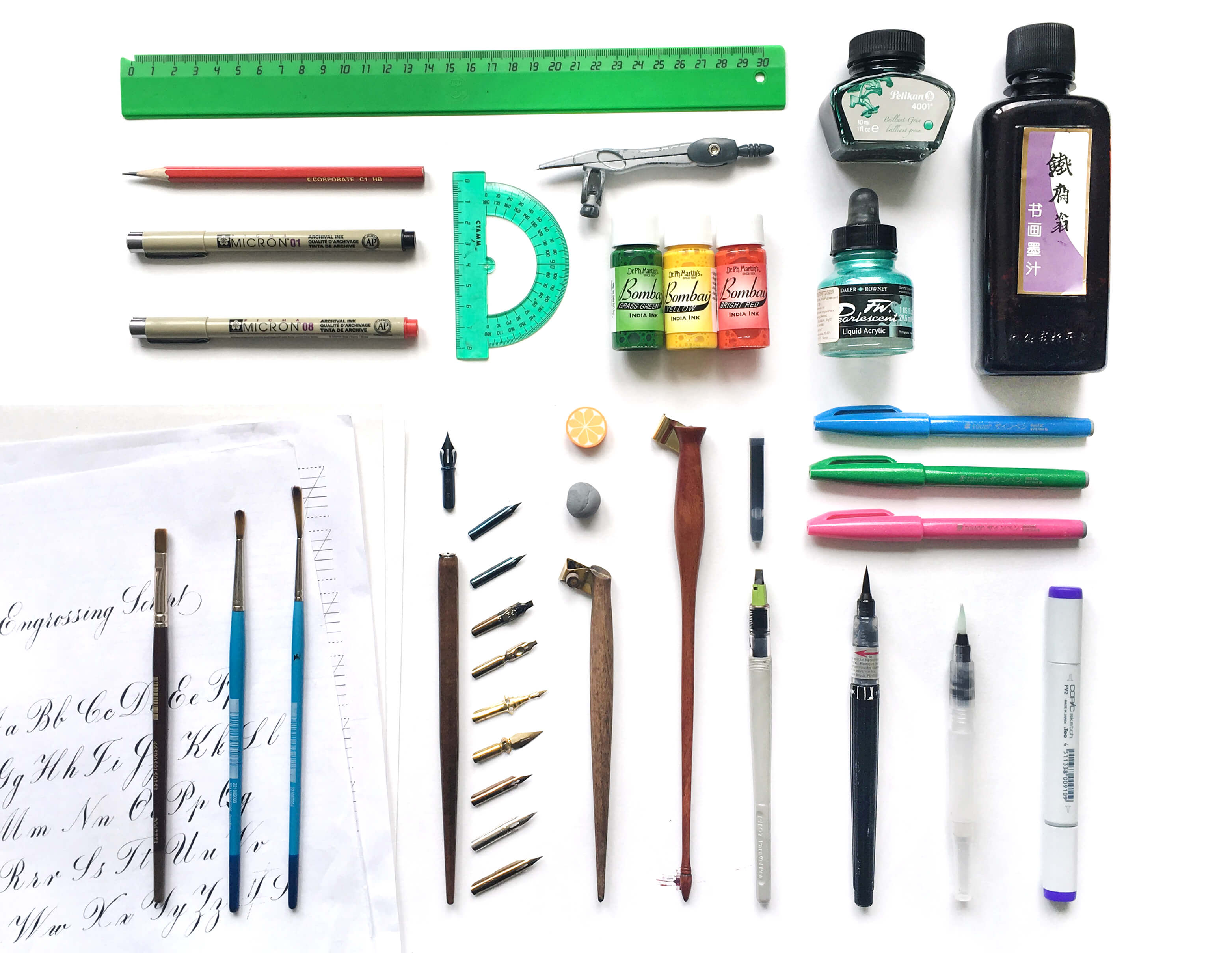
Sure, you don’t have to buy everything in this photo! Consider your abilities and preferences. Below is a detailed list to give you a general idea of the tools you’ll need for different styles of writing:
- paper for handwriting,
- printed handwriting worksheets,
- examples of alphabets,
- ruler,
- pencil,
- pair of compasses,
- pigma micron permanent pens,
- rubber a upnd kneaded rubber,
- calligraphy ink,
- flat paintbrushes,
- straight pen holder,
- oblique pen holder,
- nibs (square cut and pointed),
- Pilot Parallel pen and cartridges,
- brush pens,
- water brush.
- <script type="text/javascript" language="javascript">
- var aax_size='300x250';
- var aax_pubname = 'umangdadhich1-21';
- var aax_src='302';
- </script>
- <script type="text/javascript" language="javascript" src="http://c.amazon-adsystem.com/aax2/assoc.js"></script>
Comments
Post a Comment